

Quick answer
Sleep apnea does not automatically raise your life insurance rates. Mild apnea treated with documented CPAP compliance can qualify for Standard rates and sometimes better, moderate cases typically land at Standard to mild table ratings, and severe or untreated apnea leads to heavier ratings or a postponement until treatment is established. The two decisive factors you control are completing the recommended sleep study and demonstrating consistent treatment, ideally with CPAP compliance data from the machine itself.
How Does Sleep Apnea Affect Life Insurance
If you have sleep apnea, make sure you’re prepared to document the steps you and your doctor have taken to control it when you shop for life insurance. Sleep apnea cases often are complicated by underlying medical conditions, such as obesity and heart disease. Premiums vary in each case, depending on the severity of the condition and applicants’ ability to keep their sleep apnea under control.
When it comes to price, there really isn’t a one-size-fits-all solution.
The American Sleep Association says an estimated 22 million Americans have sleep apnea, which is an involuntary cessation of breathing that happens during sleep. If not treated properly, the condition can lead to a variety of ailments that shorten life, including high blood pressure, stroke, and diabetes.
Your life insurance costs will depend, in part, on whether your sleep apnea is mild, moderate, or severe. Your doctor’s diagnosis will help underwriters determine which “risk class” you should be placed in. The better your risk class, the lower your premiums will be.
For example, a “preferred plus” classification means you will spend less than if you receive a “preferred” or “standard” risk designation.
Ed Hinerman, of the New Mexico-based Hinerman Group insurance agency, said many policyholders with sleep apnea end up with “standard” ratings because they don’t compare quotes from a variety of carriers.
Each insurer has its own underwriting standards and its own comfort level with sleep apnea. There are companies that will give applicants a “preferred plus” rating, even for those with severe sleep apnea, if they are convinced that the condition is being treated properly, he said.
Life Insurance Classifications for People With Sleep Apnea
| Severity of illness | Likely Life Insurance Rating Classifications* | What Policy Underwriters Consider When They Rate Your Policy |
|---|---|---|
| Mild to moderate sleep apnea that is controlled | “Preferred plus” or “best” | Some life insurance carriers offer their best rates to people with sleep apnea when the conditions are optimal for longevity. An optimal case includes: 1. Mild to moderate severity 2. Good treatment compliance, such as wearing a CPAP machine regularly 3. Absence of other risk factors, such as obesity, tobacco use, or heart disease |
| Moderate sleep apnea that is untreated | Between “standard” and Table 4 | A “standard” rating will lead to a premium that is about double the cost of a “preferred plus’ rating. A Table 2 rating costs about 50% more than a “standard” rating, and Table 4 costs about twice as much as the “standard” rating. |
| Severe sleep apnea that is treated | “Standard” | A person with severe sleep apnea who is compliant with treatment will likely receive a “standard’ rating. Keep in mind that every case is different and that each individual brings his or her own unique medical history to the table, so decisions can vary. |
| Severe sleep apnea that is untreated | Decline | Severe sleep apnea that goes untreated is likely to result in a declined application. |
*Each case of sleep apnea is different. Your classification and costs will depend on your overall health and your insurer’s underwriting guidelines.
Following Doctor’s Orders
In general, carriers typically want to know how compliant applicants are with their doctor’s treatment instructions. Applicants are rarely turned down for a life policy when they are working closely with their doctor to combat the disease.
Sleep apnea often is discovered by doctors when patients complain of fatigue or snoring, according to Jason Cozzetti, an agent for Insurancy in Washington state.
“When they go in for physicals, the doctor asks, ‘How are you sleeping? Do you snore at night?'” Cozzetti said. “That can trigger a sleep apnea notation in your medical record. The doctor may recommend a sleep study. If you don’t do the study and you apply for life insurance, most companies will delay or postpone you.”
Getting Lower Rates
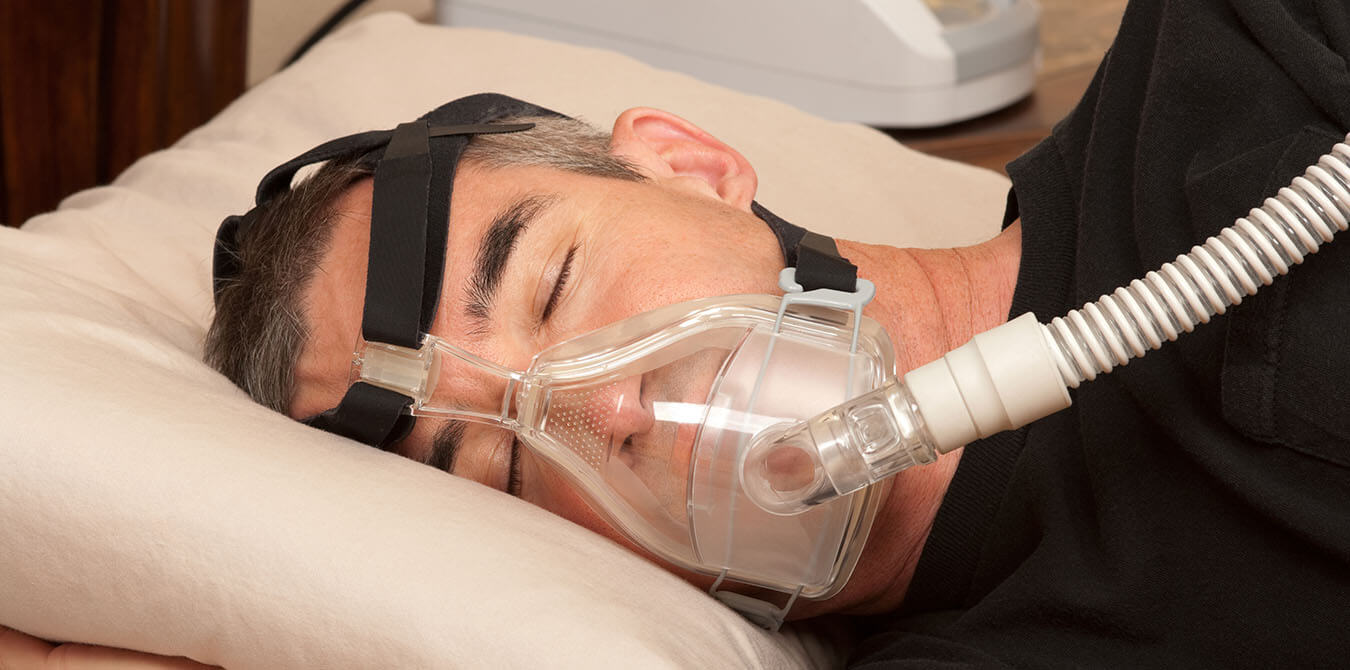
Doctors frequently prescribe continuous positive airway pressure (CPAP) machines for people with sleep apnea. If you have sleep apnea and wear one of these while sleeping, it supplies steady air pressure to prevent the airway from closing. This can make you more insurable and, if you remain compliant, you may qualify for a preferred health rating with many companies.
In contrast, if you refuse to use a prescribed CPAP machine, your insurer could place you in a rated health class that results in higher insurance costs. There’s a major difference between “preferred” and “standard” ratings. That difference could cost hundreds of dollars in higher premiums.
Simplified underwriting allows you to buy life insurance without having to see a doctor or take a medical exam. While this option may be convenient, people with sleep apnea can often find lower premiums if they buy a policy that requires a medical exam. That’s because it gives insurers greater assurance that you’re a good life insurance risk.
Life insurance generally costs more as people age. Brian Ashe, president of Brian Ashe & Associates, LTD and a board member of Life Happens, a nonprofit organization that educates the public about life insurance issues, said sleep apnea can progress over time, making it more difficult for older adults to obtain policies.
“A narrowing of the nasal passages with age, combined with sleep apnea, aggravates the situation,” Ashe said.
Appealing a Decision
If you think a life insurance company hasn’t underwritten you properly for sleep apnea, you can appeal the decision. To be reconsidered, you may need to demonstrate that an error or omission was made. It helps if you work with your physician. Ask your doctor to provide documentation that your condition is under control and your long-term prognosis is good.
If your CPAP machine has a monitoring device, your physician can provide the insurance company with an accurate record of how often you use the machine, possibly strengthening your appeal.
If you’ve had surgery to correct your sleep apnea and a sleep study has shown that the disease no longer is a problem for you, make sure your insurer sees the report.