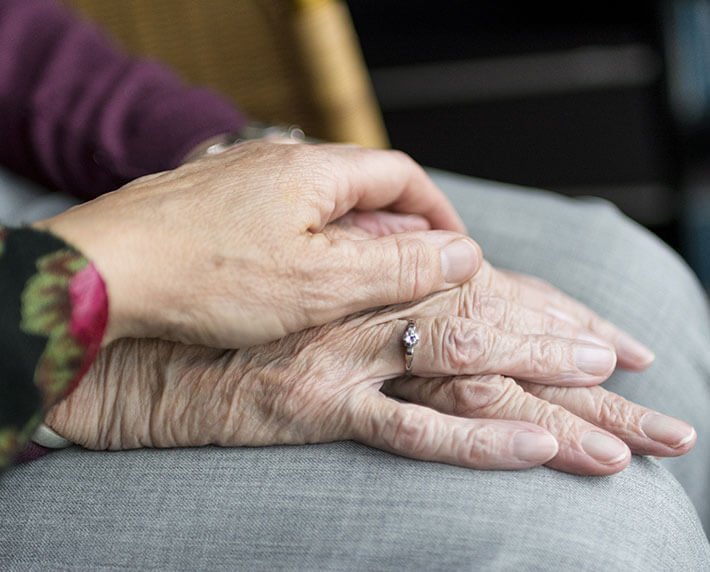

Some people die quickly, while others linger for a period lasting from days to years. Some older adults have very clear minds in rapidly weakening bodies, while other elderly people have strong, healthy bodies but minds ravaged by dementia. The wide range of what the end of life looks like for different people causes some uncertainty when people plan for their own end-of-life care or that of a beloved family member. But learning more about the practical details of the end of a person’s life can help people to make a plan for their unique circumstances.
Elder Care
Elder care refers to all of the services older people may need as they age. For example, in many states, seniors are eligible for a shuttle service to take them to their medical appointments. Often, the goal of elder care is to provide support services so that the senior can stay independent for as long as possible. However, most elder care activities are performed by family members. Medicare covers some elder care supports. Seniors with very low incomes are eligible for more elder care services through Medicare.
- The Staggering, Exhausting, Invisible Costs of Caring for America’s Elderly
- Elder Care 101: Lifestyle Basics for Senior Citizens to Live a Comfortable Life
- Ten Common Health Issues for the Elderly
- Issues Affecting the Health of Older Citizens: Meeting the Challenge
- Aging and Health
- Advance Care Planning 101
End of Life
All of the medical care and other support received by someone in the time leading up to their death is known as end-of-life care. Some people spend months receiving this type of care, while others may reach the end of life much more abruptly. What this care looks like depends on the choices and needs of the patient and their family. It’s very important to some people to die at home, while others prefer a hospice facility. While many people want their loved ones around them during this period, it’s very common for people to die while they are alone. Families should try to follow a person’s wishes. People receiving end-of-life care typically need help with practical tasks along with physical, spiritual, mental, and emotional needs. Their loved ones will also need support at this time.
- Providing Care and Comfort at the End of Life
- Care at the End of Life
- What Is Palliative Care?
- About End-of-Life Care
- Palliative Care vs. End-of-Life Care: What’s the Difference?
- Treatment Options at the End of Life
- Planning Ahead With Life Insurance
- End-of-Life Care Planning
Life Insurance
Most families need the deceased’s life insurance proceeds to pay for end-of-life expenses like funerals and burials. Most death benefits are paid out within 30 days of the policyholder’s death. The named beneficiary of the policy receives the proceeds. Typically, they will need to provide a death certificate and beneficiary claim form to the life insurance company. The funeral home usually assists families in getting copies of the death certificate. It’s a good idea to get multiple copies because aside from life insurance companies, death certificates will also need to be sent to banks where the deceased had accounts and other official institutions. Some people are more organized than others, and it’s not uncommon for a person to not realize that they have old life insurance policies still in effect. Families should use tools like the NAIC Life Insurance Policy Locator to ensure that they know about all of the policies their loved ones held.
- How Does Life Insurance Work?
- Tips for Finding a Lost Life Insurance Policy
- Learn How to Use the NAIC Life Insurance Policy Locator
- How to Find a Lost Life Insurance Policy
- How to File a Life Insurance Claim
- How to Get Instant-Issue Life Insurance
- How to Make a Life Insurance Claim
Grieving Families
Grieving families need support. Families with young children who are dealing with the loss of a loved one often need practical help getting the kids to and from school and keeping them fed and looked after. Similarly, families with other elderly members also need special help keeping those family members cared for during the grieving period. No matter what the makeup of the family, though, family members will need support to help them navigate the first days of life without their loved one. People who have been providing significant care shouldn’t feel guilty if they experience a feeling of relief as well. This is normal and not a sign that they didn’t love their lost family member.
- When a Family Grieves
- Family Grief: Five Keys to Grieving Well Together
- Families That Grieve Together …
- Bereavement and Grief
- The Grieving Family
- Helping Children Deal With Grief
- Crisis Support
Other Health-Related Resources
- The 15 Most Common Health Concerns for Seniors
- Promoting Health for Older Adults
- Get the Facts on Healthy Aging
- Scientific Secrets to Healthy Aging
- A Guide to Healthy Living for Seniors
- Healthy Eating Tips for Seniors
- It’s Never Too Late: Five Healthy Steps at Any Age
Insurance Rates
- Instant Life Insurance Rates
- No Medical Exam Life Insurance Rates
- Level Term Life Insurance Rates
- Final Expense Life Insurance Rates
- Simplified Issue Life Insurance
- Guaranteed Life Insurance Rates
Health Considerations
- Life Insurance for Cancer Patients
- Life Insurance with Schizophrenia or Bipolar disorder
- Life Insurance for Diabetics
- Life Insurance for Cigar Smokers
- Life Insurance for Depression and Anxiety
- Life Insurance for Overweight People
- Life Insurance for People With Epilepsy
- Sleep Apnea Life Insurance
Popular Questions
- Reasons Life Insurance Won’t Pay Out
- How Much Do You Get for Selling Life Insurance Policy
- Can You Retake Life Insurance License Exam
- What is LexisNexis
- MIB Report
- What Is Graded Benefit Whole Life Insurance
- Are Life Insurance Premiums Tax Deductible
- Life Insurance Tips