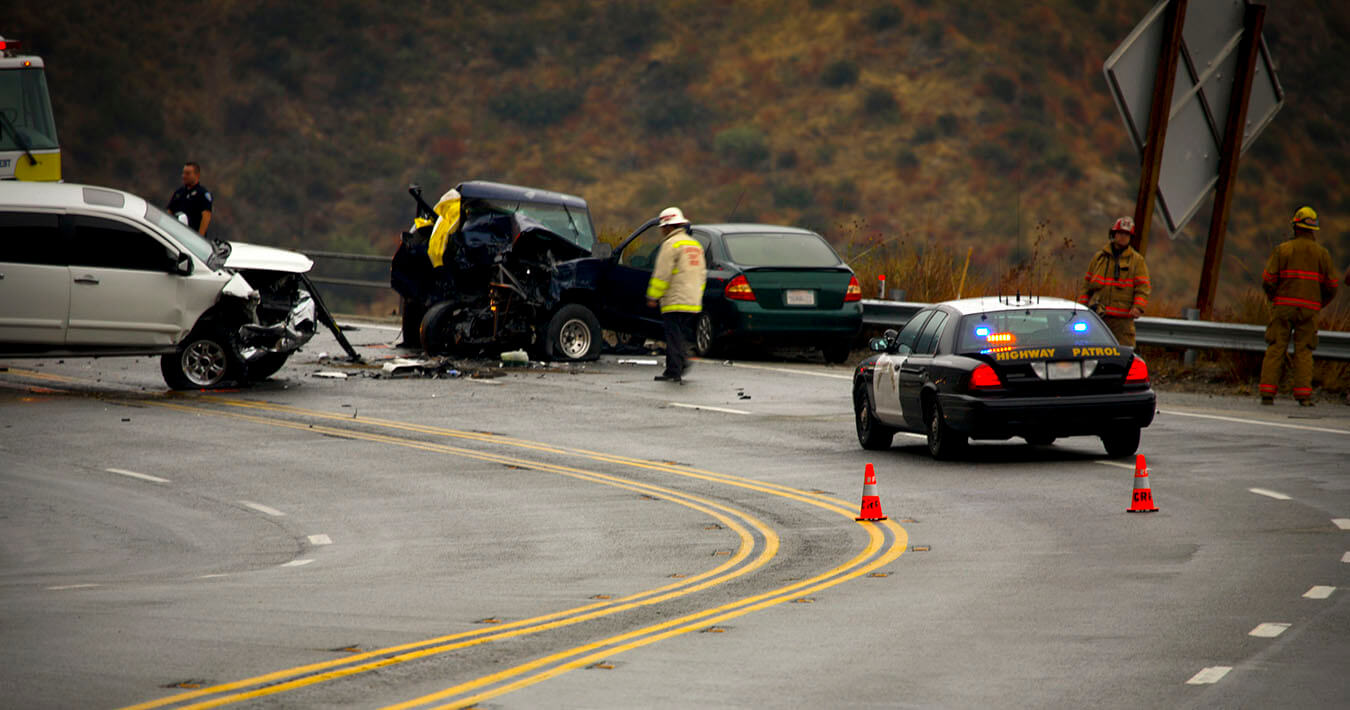


While you’re not required by law to carry comprehensive insurance, your lender will require you to carry it. Take a look at the basics of comprehensive insurance and how it works.
What is Comprehensive Auto Insurance?
Comprehensive auto insurance helps cover the costs of repairing or even replacing your vehicle when it suffers damage in any event other than a collision. You do have to pay your deductible first before the insurance will pay the rest of the cost for the damages.
Comprehensive coverage is technically optional, with most states only requiring you to carry liability insurance. However, the lender who’s financing or leasing your vehicle will require you to have comprehensive insurance.
Comprehensive insurance isn’t just for cars and trucks. It’s also available for motorcycles, RVs, and boats, as well as specialty vehicles, such as golf carts and ATVs.
What Does Comprehensive Car Insurance Cover?
If your car is damaged in any circumstances that don’t involve a collision with another vehicle, comprehensive insurance helps cover that damage. Coverage helps pay for damage from the following causes:
- Falling objects, such as tree limbs
- Animals, including incidents, such as hitting a deer
- Theft, including theft of parts of the vehicle
- Rocks, and other objects thrown up from the road by other cars
- Vandalism
- Some civic disturbances, such as riots
- Fire
- Natural disasters, such as tornadoes, earthquakes, or hurricanes
- Severe weather, including flooding, hail, wind, and lightning
- Damage to your windshield in certain circumstances
It will not cover catastrophic events like nuclear war, nuclear disaster, or political uprisings. Comprehensive insurance also doesn’t cover collision damage or medical expenses resulting from an accident.
It’s important to be aware that the amount of your comprehensive coverage is limited by the value of your vehicle. If your car is older and not worth very much, your insurance will only pay out a small amount, up to the vehicle’s actual cash value.
Is Comprehensive Auto Insurance Considered Full Coverage?
Most insurance companies consider full coverage to include liability, comprehensive, collision, towing, rental car, and uninsured motorist coverages. Check with your insurance company to find out what it means when it says full coverage so you know exactly what insurance you’re buying.
What is the Average Cost of Comprehensive Insurance?
Comprehensive insurance costs an average of $194 per year, although prices can vary, depending on what state you live in and your risk level as a driver, as determined by your insurance company. Cost is also determined by the type of vehicle you drive and the value and safety rating of the vehicle.
What is the Average Comprehensive Auto Insurance Deductible?
The average comprehensive insurance deductible is $500, but you can often choose the deductible you prefer. You may want to opt for a $1,000 or $1,500 deductible to lower your monthly premiums. If you choose to have a lower deductible, your monthly payment will be higher.
Do I Need Comprehensive Insurance?
Regardless of your car’s value, your lender or leasing company will require you to carry comprehensive coverage. Some people also like having comprehensive insurance for the peace of mind it can offer.
If your car is older and not worth very much, you may not need comprehensive insurance. That’s because the maximum payout of your comprehensive insurance is limited to the value of your car. As your car ages and depreciates in value, comprehensive insurance becomes less useful.
If you can afford to pay for damage to your vehicle or replace it if it’s stolen, you may not need comprehensive insurance. And, if you live in an area where weather-related damage is not a concern, comprehensive insurance may be less of a concern for you.
A useful equation to determine whether comprehensive insurance is a good idea for you is to multiply the amount you’d pay for the insurance for 10 years. If the amount is greater than the value of your car, you probably don’t need comprehensive insurance.
Why Would I Choose Comprehensive Insurance Over Collision Insurance?
Comprehensive insurance is compatible with collision insurance. Each covers damages the other one doesn’t. In a sense, the issue isn’t deciding between comprehensive vs. collision insurance, it’s deciding what coverage you need in general. While neither type of insurance is required by law in most states, both are a good idea, especially if you own a newer car.
If you have a newer car, the cost of replacing a stolen vehicle or repairing damage caused by fire, animals, or weather is likely to be higher than the cost of comprehensive insurance coverage.
If you’re in an accident, especially one with injuries, comprehensive insurance won’t cover the damages. But if your vehicle is damaged by hail or a falling tree branch, collision insurance won’t cover the repairs. Take a look at the differences between comprehensive and collision coverage in this helpful chart.
| Comprehensive Insurance Coverage | Collision Insurance Coverage | |
|---|---|---|
| What Is Covered? | Most non-collision damage, including damage stemming from:
Theft | Most collision-related damage, including damage from:
Collision with another vehicle stationary object |
| Is There a Deductible? | Yes | Yes |
| What Is the Coverage Limit? | Cash value of your vehicle | Cash value of your vehicle |
| Is the Coverage Required or Optional? | Typically required if you’re leasing or financing your vehicle. Otherwise, optional. | Typically required if you’re leasing or financing your vehicle. Otherwise, optional. |
| What Is Not Covered? | Medical bills for injuries to yourself, your passengers, the other driver in a collision, and the other passengers in a collision Damage to other vehicles | Loss and damage due to:
Theft |
When your lender or leasing company requires you to carry comprehensive auto insurance, you don’t have a choice. You’ll have to buy it. But if your car is fully paid for and not worth much, you may decide it’s the right financial choice to skip comprehensive insurance.
Just remember: you could end up with some high repair bills if your car incurs damage due to weather, fire, animals, or theft. Consider the costs of handling those repairs on your own in comparison to the cost of comprehensive insurance as you make your decision.
Find The Best Policy Find The Best Policy Start